ActiveCampaign is widely recognized as one of the most powerful marketing automation and CRM platforms available today.
Known for its deep automation capabilities, segmentation tools, and advanced email marketing workflows, it has become a popular choice for growing businesses.
But popularity doesn’t always mean affordability.
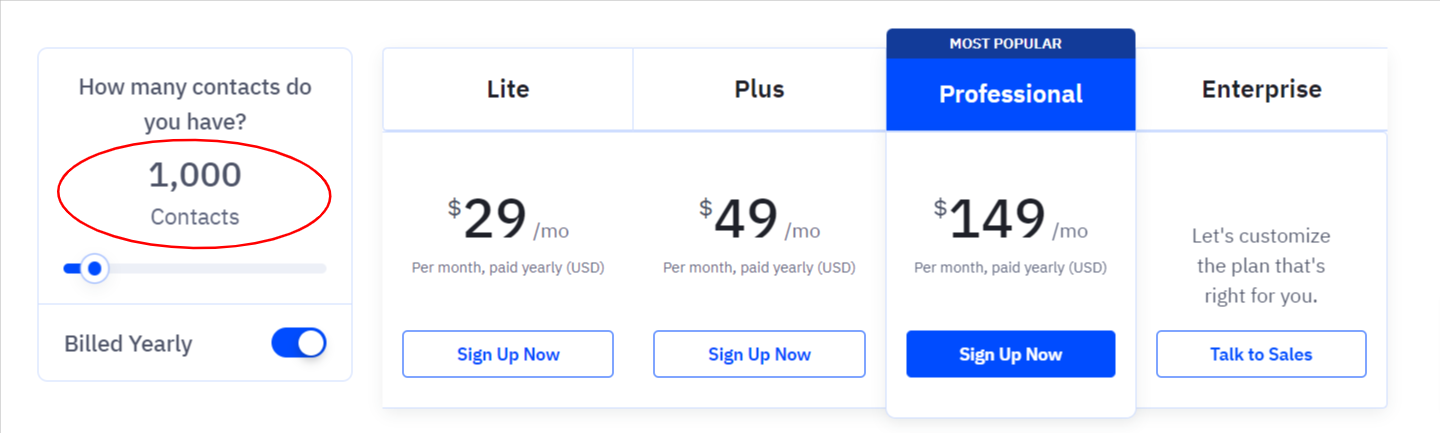
While ActiveCampaign pricing starts at just $15 per month, the real cost of the platform can increase significantly as your contact list grows or when you upgrade to higher-tier plans for advanced features.
In fact, many small businesses discover that ActiveCampaign’s seemingly affordable entry price quickly scales into a much higher monthly expense due to contact-based pricing, automation limits in lower tiers, and feature restrictions.
Over the past few years, ActiveCampaign has also evolved considerably.
The platform now includes AI-powered marketing capabilities through its Active Intelligence engine, new automation limits in entry plans, and revised pricing tiers.
If you’re researching ActiveCampaign pricing in 2026, it’s important to understand exactly:
-
-
-
what each plan includes
-
how pricing scales with contacts
-
which features are locked behind higher tiers
-
and whether the platform still makes sense for small businesses.
-
-
In this guide, we’ll break down ActiveCampaign’s 2026 pricing plans, explain what you actually get at each level, and highlight the potential costs that many users overlook.
Finally, we’ll explore some more affordableActiveCampaign alternatives that offer similar marketing automation capabilities without the steep scaling costs.
Let’s dive in.
Table of Contents
TL;DR: ActiveCampaign Pricing in 2026
If you want the quick overview before diving deeper, here’s the short version of how ActiveCampaign pricing works in 2026:
-
-
-
Pricing starts at $15/month for the Starter plan (billed annually).
-
The platform now includes AI features through Active Intelligence.
-
Entry plans include automation limits (5 actions per automation).
-
Costs increase significantly as your contact list grows.
-
Many advanced features such as predictive content, attribution tracking, and advanced segmentation require higher-tier plans.
-
-
Because of these factors, ActiveCampaign can become expensive for small businesses and startups as they scale their marketing efforts.
ActiveCampaign Pricing & Feature Updates (2026)
The platform has undergone several important updates since earlier versions of its pricing model. Here’s a quick snapshot of what changed in ActiveCampaign’s 2026 pricing
| Feature Update | 2026 Status |
|---|---|
| Entry plan | Starter plan begins at $15/month (billed annually) |
| Pricing tiers | Starter, Plus, Pro, Enterprise |
| AI capabilities | Active Intelligence powers campaign optimization and automation insights |
| Automation limits | Starter plan allows 5 actions per automation |
| Segmentation | Advanced segmentation unlocked in Pro plan and above |
| Attribution tracking | Available in Pro and Enterprise plans |
| Enterprise features | Includes SSO, custom objects, and dedicated account support |
| Pricing model | Contact-based pricing increases costs as subscriber lists grow |
ActiveCampaign Pricing: What Do I Get in 2026?
If you decide to subscribe to ActiveCampaign today, you can choose from four pricing plans designed for different business sizes and marketing automation needs.
As of 2026, ActiveCampaign pricing includes four tiers:
-
-
-
Starter
-
Plus
-
Pro
-
Enterprise
-
-
Each plan unlocks additional capabilities in email marketing, CRM automation, segmentation, and analytics.

However, it’s important to understand that ActiveCampaign pricing operates on a contact-based pricing model.
This means your monthly cost increases as your contact list grows — one of the key factors businesses must evaluate before committing to the platform.
The platform has also evolved significantly in recent years. ActiveCampaign now includes AI-driven marketing capabilities through its Active Intelligence engine, advanced automation workflows, predictive content tools, and deeper ecommerce integrations.
Let’s take a closer look at what each ActiveCampaign pricing plan in 2026 includes.
ActiveCampaign Starter Plan
The Starter plan is the entry-level tier of ActiveCampaign pricing. It is designed for small businesses and marketers who want to begin with basic email marketing and marketing automation capabilities.
The plan starts at $15 per month when billed annually.
Starter includes the essential tools required to run personalized email campaigns and automate simple marketing workflows.
Starter plan features
-
-
-
Email marketing and newsletter campaigns
-
Marketing automation builder
-
Active Intelligence (AI features with limits)
-
Limited segmentation tools
-
Up to 5 automation actions per workflow
-
Standard CRM and ecommerce integrations
-
Email designer with drag-and-drop editor
-
Contact importing and list management
-
Site and event tracking
-
Reporting and campaign analytics
-
Autoresponders
-
Webhooks and API access
-
Managed email delivery
-
1 user account
-
-
Although the Starter plan includes automation capabilities, the 5-action automation limit can restrict more complex workflows, which often pushes growing businesses toward higher tiers.
Starter Plan Pricing by Contact Count
ActiveCampaign pricing increases based on how many contacts you store in your database.
Below is an estimated pricing overview for the Starter plan based on contact list size.
| Contacts | Monthly Price (Billed Annually) |
|---|---|
| 1,000 | $15 |
| 2,500 | ~$49 |
| 5,000 | ~$99 |
| 10,000 | ~$189 |
| 25,000 | ~$339 |
| 50,000 | ~$519 |
| 100,000 | Custom pricing |
Note: Pricing mentioned above is for annual plans. Monthly pricing costs more.
As your contact list grows, the ActiveCampaign cost can increase substantially, which is why many small businesses look for alternative platforms with flat pricing models.
Read also: 5 of the Best ActiveCampaign Alternatives (Features, Pricing)
ActiveCampaign Plus Plan
The Plus plan is the second tier of ActiveCampaign pricing and is designed for businesses that want deeper marketing automation and customer insights.
The plan starts at $49 per month (billed annually).
With the Plus plan, businesses gain access to unlimited automation actions, better segmentation capabilities, and additional marketing tools such as landing pages.
Plus plan features
Everything included in Starter, plus:
-
-
-
Unlimited automation actions
-
Standard segmentation tools
-
Landing page builder
-
Standard CRM integrations
-
Ecommerce integrations
-
Automation mapping
-
Customer journey tracking
-
Lead and contact management
-
Custom user permissions
-
SMS messaging capabilities
-
Facebook Custom Audience integrations
-
Advanced subscription forms
-
Marketing analytics
-
Database syncing
-
-
The Plus plan is often the minimum tier required for businesses running serious marketing automation campaigns, as the Starter plan’s automation limits can become restrictive.
Plus Plan Pricing by Contact Count
| Contacts | Monthly Price (Billed Annually) |
|---|---|
| 1,000 | $49 |
| 2,500 | ~$119 |
| 5,000 | ~$179 |
| 10,000 | ~$299 |
| 25,000 | ~$499 |
| 50,000 | Custom pricing |
Note: Pricing mentioned above is for annual plans. Monthly pricing costs more.
Read also: ActiveCampaign vs Mailchimp vs EngageBay For Email Marketing: — The Winner?
ActiveCampaign Pro Plan
The Pro plan unlocks more advanced email orchestration, segmentation, and predictive marketing features.
This plan starts at $79 per month when billed annually and is designed for businesses running data-driven marketing campaigns that require deeper personalization and analytics.
Pro plan features
Everything included in Plus, plus:
-
-
-
Advanced segmentation
-
Predictive and conditional content
-
Attribution and conversion tracking
-
Predictive email sending
-
Advanced automation workflows
-
Premium ecommerce integrations
-
Customer journey analytics
-
Performance optimization tools
-
Multi-user support (up to 3 users)
-
-
The Pro plan enables businesses to personalize campaigns using predictive content and behavioral insights, making it suitable for growing companies with more complex marketing funnels.
Pro Plan Pricing by Contact Count
| Contacts | Monthly Price (Billed Annually) |
|---|---|
| 1,000 | $79 |
| 2,500 | ~$169 |
| 5,000 | ~$249 |
| 10,000 | ~$399 |
| 25,000 | ~$699 |
| 50,000 | Custom pricing |
Note: Pricing mentioned above is for annual plans. Monthly pricing costs more.
Read also: ActiveCampaign vs. GetResponse vs. EngageBay: Which is the Best CRM?
ActiveCampaign Enterprise Plan
The Enterprise plan is the most advanced tier of ActiveCampaign pricing and is designed for large organizations running enterprise-scale marketing automation and CRM operations.
Enterprise pricing starts at $145 per month (billed annually) and increases significantly based on the number of contacts and additional enterprise features required.
Enterprise plan features
Everything included in Pro, plus:
-
-
-
Premium segmentation tools
-
Custom objects
-
Single Sign-On (SSO)
-
Dedicated account team
-
Premium CRM integrations
-
Premium ecommerce integrations
-
Attribution and conversion tracking
-
Predictive and conditional content
-
Advanced reporting and analytics
-
Enterprise-level security controls
-
Dedicated onboarding and implementation support
-
Priority support
-
-
The Enterprise plan is designed for organizations that need advanced customization, security compliance, and dedicated support while running large-scale automated marketing campaigns.
Enterprise Plan Pricing
Enterprise pricing is customized based on contact volume and enterprise requirements.
Businesses typically need to contact ActiveCampaign sales for a custom quote, especially if they require enterprise integrations, large contact databases, or advanced data infrastructure.
Decision flowchart to help you choose:
Need simple email marketing?
│
├── Yes → Starter ($15)
│
Need landing pages?
│
├── Yes → Plus ($49)
│
Need predictive content?
│
├── Yes → Pro ($79)
│
Need enterprise features?
│
└── Enterprise ($145)
Read also: ActiveCampaign Pricing and Comparison with Other Alternatives
ActiveCampaign AI Capabilities (2026)
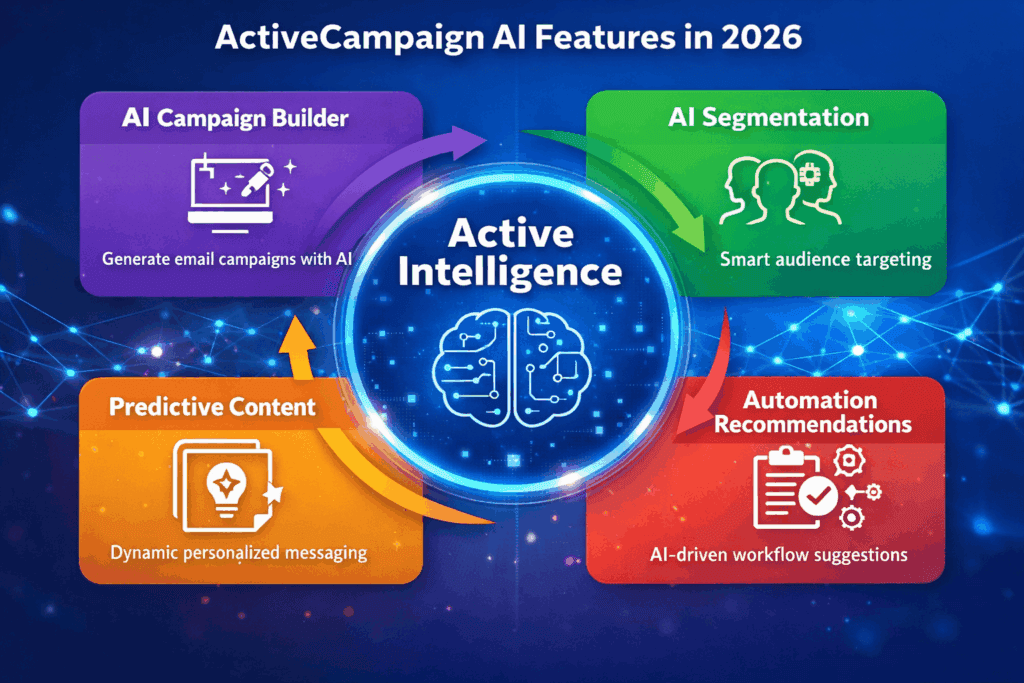
One of the biggest developments in the platform is the introduction of Active Intelligence, ActiveCampaign’s AI-powered marketing engine.
Active Intelligence helps businesses automate marketing strategy decisions and optimize campaign performance using data-driven insights.
Key AI capabilities in ActiveCampaign
AI-powered campaign recommendations
The platform analyzes customer data and suggests optimized campaign strategies.
Predictive segmentation
AI automatically identifies high-value customer segments based on behavioral data.
Automation optimization
AI can recommend the most effective automation paths based on past performance.
Predictive content personalization
Emails can dynamically adapt to user preferences and behavior patterns.
Performance insights
The AI engine analyzes campaign engagement and suggests improvements to increase open rates and conversions.
These capabilities allow marketers to run more intelligent automation campaigns without manually analyzing large datasets, making AI a central component of ActiveCampaign’s modern marketing platform.
In the next section, we’ll explore whether ActiveCampaign pricing is worth it for small businesses and startups — and how it compares to more affordable alternatives.
Is ActiveCampaign the Right Marketing Automation Solution for You in 2026?
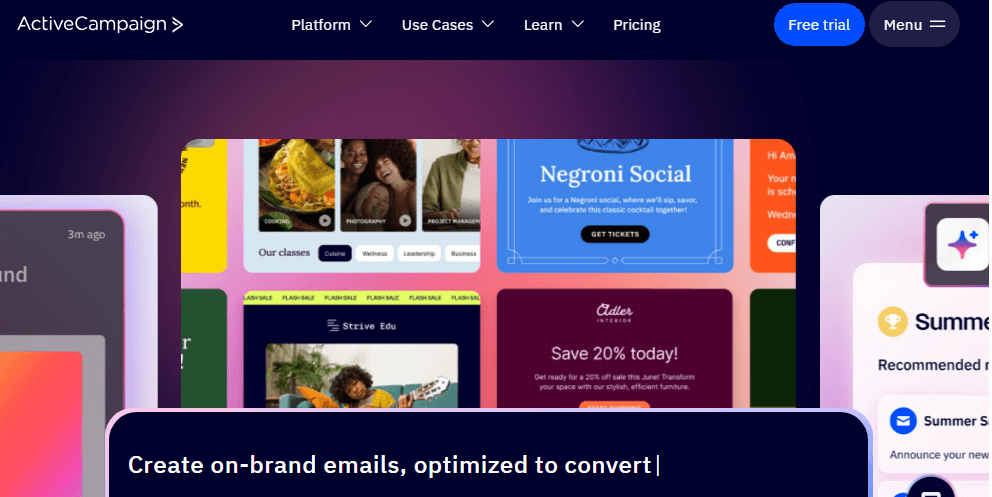
ActiveCampaign has long positioned itself as a powerful marketing automation and email marketing platform, helping businesses create personalized campaigns, automate customer journeys, and manage contacts through an integrated CRM.
In 2026, the platform continues to offer robust tools for email newsletters, automation workflows, segmentation, and behavioral marketing — but the real question is whether ActiveCampaign is the right marketing automation solution for your business size, budget, and marketing needs.
Let’s explore what the platform offers and whether it makes sense for small businesses and startups.
Email Marketing and Newsletter Capabilities
One of ActiveCampaign’s core strengths is its email marketing and newsletter automation functionality.
Businesses can design and send email newsletters using a drag-and-drop email builder, which includes a variety of customizable templates. These templates allow marketers to create visually engaging campaigns without requiring coding or design expertise.
Companies can build newsletters using:
-
-
-
Image-focused layouts for promotional campaigns
-
Text-based layouts for educational or editorial emails
-
Mixed layouts combining visuals, buttons, and dynamic content
-
-
ActiveCampaign also supports dynamic email personalization, enabling businesses to tailor messages based on subscriber behavior, demographics, and engagement history.
This level of personalization helps improve open rates, click-through rates, and overall email marketing ROI.
Automated Email Campaigns and Workflows
Beyond simple newsletters, ActiveCampaign is particularly known for its advanced marketing automation capabilities.
Using its visual automation builder, businesses can create automated campaigns triggered by customer actions such as:
-
-
-
Email opens
-
Link clicks
-
Website visits
-
Purchases
-
Form submissions
-
Customer lifecycle events
-
-
These triggers allow marketers to design automated customer journeys, ensuring subscribers receive the right message at the right time.
For example, businesses can automatically send:
-
-
-
welcome email sequences
-
onboarding campaigns
-
abandoned cart reminders
-
re-engagement emails
-
post-purchase follow-ups
-
-
However, it’s important to note that automation capabilities vary by pricing plan.
The Starter plan, which begins at $15 per month, includes marketing automation but limits workflows to five automation actions per automation. Businesses that need more advanced automation must upgrade to higher tiers.
ActiveCampaign CRM and Sales Automation
ActiveCampaign also includes a built-in CRM platform designed to help businesses manage leads, sales pipelines, and customer interactions.
The CRM integrates directly with marketing automation workflows, allowing companies to:
-
-
-
track leads through sales pipelines
-
assign contacts to sales representatives
-
automate follow-up tasks
-
score leads based on engagement
-
-
However, CRM capabilities are not fully available in the entry-level plan.
Businesses must upgrade to at least the Plus plan to access deeper CRM features and advanced sales automation.
This means companies using the Starter plan primarily gain email marketing and limited automation capabilities, while more advanced marketing and sales alignment requires upgrading to higher pricing tiers.
AI-Powered Marketing with Active Intelligence
One of the most significant updates to the platform in recent years is the introduction of Active Intelligence, ActiveCampaign’s AI-powered marketing engine.
Active Intelligence analyzes customer behavior and campaign data to help marketers improve campaign performance.
Key AI capabilities include:
-
-
-
Predictive segmentation to identify high-value audiences
-
AI campaign recommendations based on engagement data
-
Predictive email sending for optimal delivery timing
-
Automation optimization suggestions
-
AI-driven insights into campaign performance
-
-
These AI tools allow marketers to run data-driven marketing campaigns without manually analyzing large datasets, making automation workflows smarter and more effective over time.
However, some of these AI-driven capabilities are more advanced in the Pro and Enterprise plans, which means smaller businesses may not fully benefit from the platform’s AI features unless they upgrade.
Is ActiveCampaign Suitable for Small Businesses?
Although ActiveCampaign is widely respected for its marketing automation depth and powerful segmentation capabilities, it may not always be the ideal choice for early-stage businesses.
There are several reasons for this.
Pricing scales with your contact list
ActiveCampaign pricing increases as your contact database grows, which can quickly raise the monthly cost for businesses with expanding subscriber lists.
Many advanced features require higher tiers
Features such as:
-
-
-
advanced segmentation
-
predictive content
-
attribution tracking
-
premium ecommerce integrations
-
-
are only available in the Pro or Enterprise plans.
The platform has a learning curve
ActiveCampaign is designed as a sophisticated marketing automation platform, which means new users may find it more complex than beginner-friendly email marketing tools.
Businesses that only need simple newsletters or basic email sequences may find the platform more advanced than necessary.
When ActiveCampaign Makes Sense
ActiveCampaign is typically a good fit for businesses that:
-
-
-
run complex marketing automation campaigns
-
require deep behavior-based segmentation
-
want AI-driven marketing optimization
-
need tight integration between marketing automation and CRM
-
-
For growing companies that rely heavily on automation and customer lifecycle marketing, the platform can be extremely powerful.
When ActiveCampaign May Not Be the Best Choice
However, businesses that primarily need simple email newsletters or basic automation workflows may find ActiveCampaign overly complex or expensive compared to other tools.
In many cases, smaller businesses can achieve similar results using platforms that provide:
-
-
-
simpler automation tools
-
flat pricing models
-
built-in CRM and marketing tools
-
easier onboarding for small teams
-
-
Read also: ActiveCampaign vs. HubSpot vs. EngageBay – Which CRM Is Best?
The Downsides of ActiveCampaign(2026)
ActiveCampaign is widely recognized as one of the most powerful email marketing and marketing automation platforms available today.
Its deep automation capabilities, AI-powered insights, and advanced segmentation tools make it a strong choice for businesses that rely heavily on automated customer journeys.
However, despite its strengths, ActiveCampaign is not always the best fit for small businesses, startups, or teams with limited budgets.
Before committing to the platform, it’s important to understand some of the potential drawbacks of ActiveCampaign pricing, usability, and scalability in 2026.
Below are some of the key downsides businesses should consider before choosing ActiveCampaign.
Short Trial Period
Before investing in any marketing software, it’s usually a good idea to test the platform through a trial period.
This allows businesses to explore the software, test automation workflows, build campaigns, and determine whether the platform fits their marketing needs.
Most marketing automation platforms provide free trials lasting between 14 and 30 days.
ActiveCampaign currently offers only a 14-day free trial.
While this may seem sufficient at first glance, it can be quite limiting given how feature-rich and complex the platform has become.
Within two weeks, businesses are expected to:
-
-
-
import contacts
-
build automation workflows
-
test email campaigns
-
connect integrations
-
explore CRM features
-
evaluate reporting and analytics
-
-
For teams new to marketing automation, 14 days may not be enough time to fully understand the platform’s capabilities before making a financial commitment.
No Free Plan
Another drawback of ActiveCampaign is that it does not offer a permanent free plan.
Unlike several competing email marketing platforms that provide a free tier for startups or small teams, ActiveCampaign requires businesses to upgrade to a paid subscription once the trial expires.
The lowest pricing tier is the Starter plan, which begins at $15 per month when billed annually.
While this entry price may appear affordable, the cost increases quickly as your contact list grows.
For startups or small businesses operating on tight budgets, the absence of a free plan means they must commit financially before fully testing the platform long-term.
This can make ActiveCampaign less attractive compared to platforms that offer free email marketing plans or freemium CRM tools.
Steep Learning Curve for Beginners

Another common complaint among new users is that ActiveCampaign is not the most beginner-friendly marketing platform.
The platform is designed primarily for advanced marketing automation, which means its interface and workflows can feel complex for users who are new to automation tools.
For example, ActiveCampaign allows businesses to build highly sophisticated automation workflows that include:
-
-
-
conditional logic
-
multi-step automations
-
behavioral triggers
-
predictive content personalization
-
AI-powered campaign recommendations
-
-
While these features are extremely powerful, they can also create a steeper learning curve compared to simpler email marketing tools.
Additionally, some advanced customization features — such as custom objects, API integrations, and custom application development using HTML and CSS — are available only in higher-tier plans like Enterprise.
These capabilities are valuable for technical teams but may be overkill for small businesses that simply want to send newsletters and basic email sequences.
As a result, many beginners find the platform more complex than necessary for simple marketing tasks.
Pricing Increases Rapidly as Your Contact List Grows

ActiveCampaign pricing is based on the number of contacts stored in your database.
This means your monthly cost increases as your email list grows — something that naturally happens as businesses scale their marketing efforts.
While the Starter plan begins at $15 per month, the price rises significantly as contact counts increase.
Below is an approximate overview of Starter plan pricing based on contact list size.
| Contacts | Monthly Price (Billed Annually) |
|---|---|
| 1,000 | $15 |
| 2,500 | ~$49 |
| 5,000 | ~$99 |
| 10,000 | ~$189 |
| 25,000 | ~$339 |
| 50,000 | ~$519 |
| 100,000 | Custom pricing |
This contact-based pricing model can make ActiveCampaign expensive for growing businesses, particularly if their email list expands rapidly.
In many cases, companies find that marketing automation costs increase faster than expected as their subscriber base grows.
Read also: Find Your Perfect CRM Match: HubSpot vs ActiveCampaign
Many Advanced Features Require Higher Plans
Another limitation of ActiveCampaign pricing is that many advanced features are locked behind higher-tier plans.
While the Starter plan includes basic email marketing and automation capabilities, more sophisticated features are available only in the Plus, Pro, and Enterprise plans.
These advanced features include:
-
-
-
advanced segmentation
-
predictive and conditional content
-
attribution and conversion tracking
-
premium ecommerce integrations
-
enhanced reporting and analytics
-
-
This means businesses that want to fully utilize ActiveCampaign’s AI-powered marketing capabilities and automation depth often need to upgrade to Pro or Enterprise plans, which significantly increases costs.
Limited Users in Lower Plans
User access is another factor to consider when evaluating ActiveCampaign pricing.
The Starter and Plus plans include only one user seat, which can be restrictive for teams managing marketing campaigns collaboratively.
Higher-tier plans increase user capacity:
| Plan | Users Included |
|---|---|
| Starter | 1 user |
| Plus | 1 user |
| Pro | Up to 3 users |
| Enterprise | Up to 5 users |
Businesses that need additional user seats may need to upgrade their plan or purchase additional seats, which further increases overall subscription costs.
For startups with multiple team members handling marketing, customer support, and sales operations, this limitation can become a bottleneck.
AI Features Are Not Fully Available in Lower Plans
ActiveCampaign’s AI-powered marketing engine, Active Intelligence, is one of the platform’s most powerful innovations in recent years.
It helps businesses optimize campaigns using:
-
-
-
predictive segmentation
-
AI campaign recommendations
-
predictive email sending
-
performance insights
-
automation optimization suggestions
-
-
However, not all AI capabilities are available in lower pricing tiers.
More advanced AI features — such as predictive content and deeper campaign analytics — are typically unlocked in Pro or Enterprise plans.
This means businesses on entry-level plans may not be able to fully benefit from the platform’s AI-powered automation capabilities.
Final Thoughts on ActiveCampaign’s Drawbacks
ActiveCampaign remains a powerful marketing automation and email marketing platform, especially for companies that need sophisticated automation workflows and advanced segmentation.
However, its pricing model, learning curve, and feature limitations in lower tiers may make it less ideal for small businesses or startups that need simple, affordable marketing tools.
For businesses just starting out, it may be worth exploring other ActiveCampaign alternatives that offer simpler onboarding, flat pricing models, and built-in CRM functionality without the rapid cost increases.
Read also: Is HubSpot Worth It? An In-depth HubSpot Review for Small Businesses
What Are the Alternatives to ActiveCampaign in 2026?
If ActiveCampaign pricing becomes too expensive as your contact list grows, you’re not alone.
Many startups and small businesses begin searching for ActiveCampaign alternatives once they realize that the platform’s contact-based pricing model and higher-tier feature requirements can significantly increase monthly costs.
Fortunately, several modern marketing automation platforms and CRM tools offer similar capabilities — often with simpler pricing models, built-in CRM functionality, or more beginner-friendly interfaces.
Below are three popular ActiveCampaign alternatives in 2026 that may better fit the needs of startups, small businesses, and growing marketing teams.
EngageBay
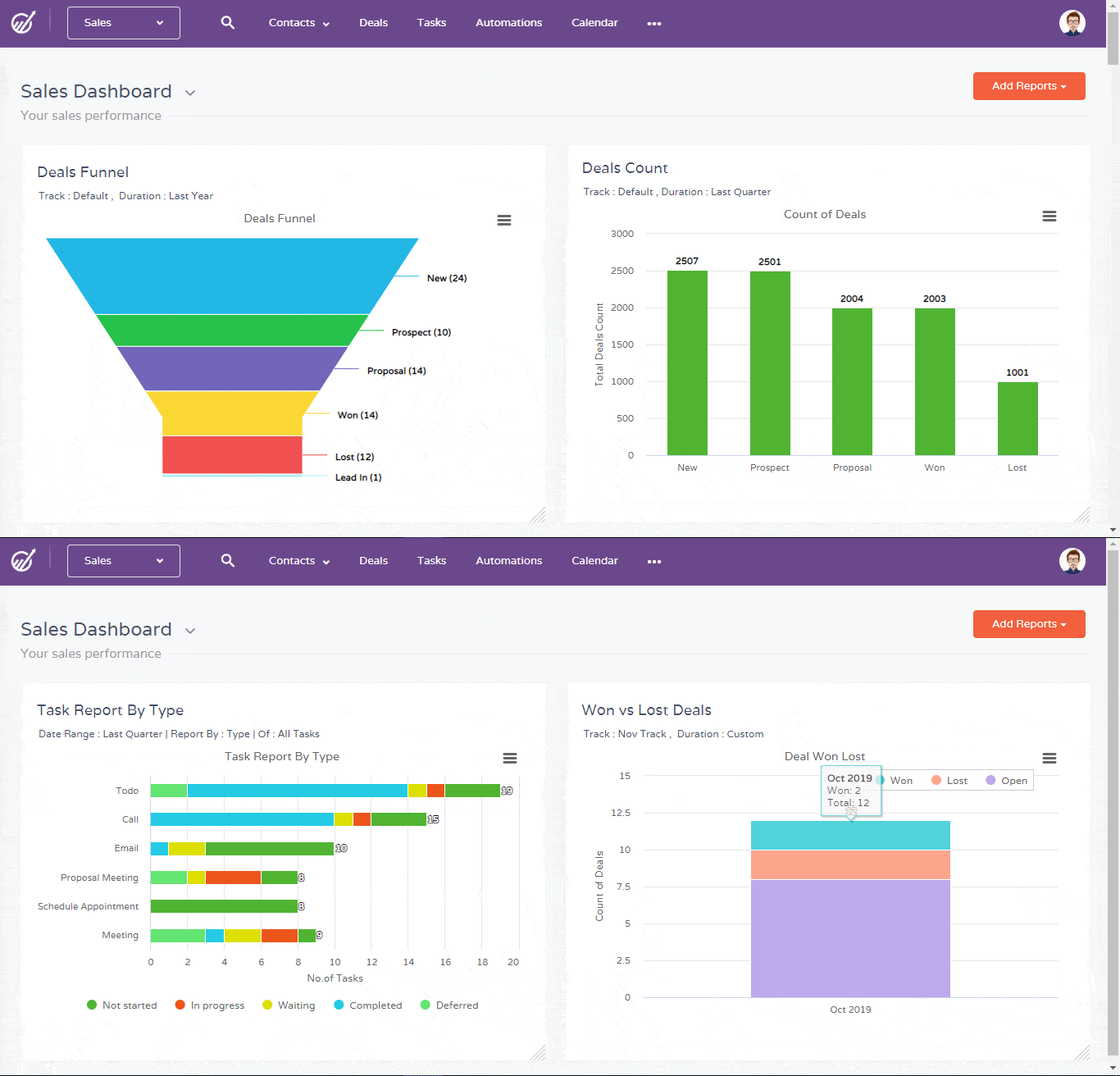
One of the most popular and affordable ActiveCampaign alternatives is EngageBay.
EngageBay is an all-in-one CRM, marketing automation, sales automation, and customer support platform designed specifically for startups and small businesses.
Unlike ActiveCampaign, which requires paid subscriptions even for basic functionality, EngageBay offers a permanent free plan that includes CRM and marketing tools.
This makes it especially appealing for businesses that want to test marketing automation and CRM features without committing to expensive software subscriptions.
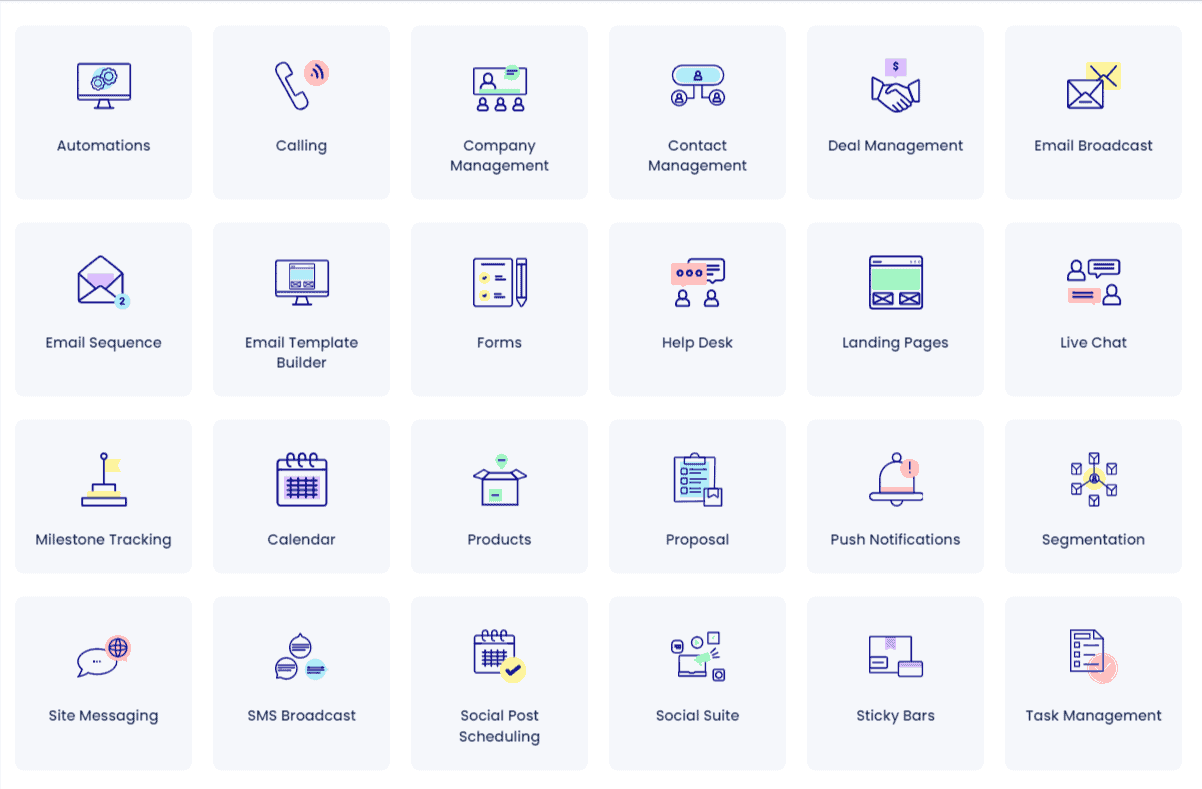
EngageBay’s platform is built around four main modules:
-
-
-
All-in-One Suite
-
Marketing Bay
-
CRM & Sales Bay
-
Service Bay
-
-
Together, these modules allow businesses to manage marketing, sales, and customer support operations in a single platform.
EngageBay All-in-One Suite Features
The All-in-One Suite includes a comprehensive set of tools for managing customer relationships and marketing campaigns.
In EngageBay’s All-in-One Suite, key features include:
-
-
-
CRM (available for free)
-
Contact management
-
Email marketing
-
Landing page builder
-
Web forms
-
Marketing automation
-
Email sequences
-
Ticketing system
-
Live chat (also available for free)
-
Macros
-
Customer views
-
Service-level agreements (SLAs)
-
-
Because all of these tools exist within a single integrated platform, businesses can manage lead generation, customer communication, and support workflows without relying on multiple software tools.
Marketing Bay Features
The Marketing Bay focuses on marketing automation and campaign management.
Features include:
-
-
-
Bulk SMS marketing
-
SMS marketing campaigns
-
Email marketing automation
-
Contact segmentation
-
Push notifications
-
Site messaging
-
Email templates
-
Inbound marketing automation
-
Campaign analytics
-
-
These capabilities help businesses run multichannel marketing campaigns across email, SMS, and web messaging, while tracking engagement and conversions.
CRM & Sales Bay Features
EngageBay also includes a full-featured CRM platform designed to manage leads and sales pipelines.
Key CRM features include:
-
-
-
Deal management
-
Lead management
-
Contact management
-
Sales CRM (available for free)
-
CRM email integration
-
Lead scoring
-
Appointment scheduling
-
CRM telephony
-
Employee management
-
Project management
-
Sales automation tools
-
360-degree customer views
-
-
With these capabilities, businesses can track leads through the entire sales funnel while automating follow-ups and nurturing prospects.
Service Bay Features
For customer support teams, EngageBay also provides helpdesk and service automation tools.
Features include:
-
-
-
Custom tickets
-
Canned responses
-
Service automation
-
Helpdesk reports
-
Customer service analytics
-
-
These tools help businesses centralize customer support operations and improve response times.
EngageBay Pricing
One of the biggest advantages of EngageBay is its affordable pricing structure compared to ActiveCampaign.
EngageBay offers a free CRM plan, making it particularly attractive for startups and small businesses.
EngageBay Pricing Plans
| Plan | Price | Contacts |
|---|---|---|
| Free | $0 | 250 contacts |
| Basic | $13.79/month | 500 contacts |
| Growth | $59.79/month | 5,000 contacts |
| Pro | $110.39/month | 50,000 contacts |
Prices shown are for the Annual Subscription for the All-in-One suite
EngageBay also offers a 20% discount on biennial plans.
Because it combines CRM, marketing automation, and helpdesk tools in one platform, EngageBay often delivers significantly better value than tools that charge separately for each capability.
The ultimate comparison of EngageBay with ActiveCampaign
Drip
Another popular ActiveCampaign alternative is Drip, a marketing automation platform designed specifically for ecommerce businesses.
Drip focuses on helping online stores build personalized marketing campaigns using customer behavior data, purchase history, and engagement tracking.
It integrates well with ecommerce platforms such as:
-
-
-
Shopify
-
WooCommerce
-
Magento
-
BigCommerce
-
-
Drip Features
Drip offers several advanced marketing automation and personalization tools.
Key features include:
-
-
-
-
Email marketing automation
-
Visual workflow builder
-
Audience segmentation
-
Customer behavior tracking
-
Event-based automation
-
Personalization tools
-
Revenue attribution tracking
-
Custom fields and tagging
-
Integrations with ecommerce platforms
-
Social media marketing tools
-
-
-
These tools allow ecommerce brands to build highly targeted email marketing campaigns and automated customer journeys.
Drip Pricing
Drip pricing is based on the number of contacts in your database.
Below is an overview of their pricing structure.
| Contacts | Monthly Price |
|---|---|
| 2,500 | $39 |
| 3,000 | $49 |
| 4,000 | $69 |
| 15,000 | $209 |
| 35,000 | $529 |
While Drip offers strong ecommerce marketing capabilities, its pricing can also increase significantly as subscriber lists grow, similar to ActiveCampaign.
Insightly
Another ActiveCampaign alternative worth considering is Insightly.
Insightly combines CRM functionality with marketing automation, making it a strong choice for businesses that want to align sales, marketing, and project management in one platform.
Insightly Features
Insightly includes a wide range of CRM and marketing capabilities.
Key features include:
-
-
-
Customer relationship management
-
Workflow automation
-
Lead routing
-
Email template builder
-
Marketing automation campaigns
-
Customer journey tracking
-
Lead segmentation
-
Dataset modeling
-
Relationship linking
-
Custom application development
-
Workflow validation rules
-
-
The platform also includes strong security and data protection features, such as:
-
-
-
Encryption
-
Two-factor authentication
-
Single sign-on (SSO)
-
-
Additionally, Insightly provides mobile apps for iOS and Android, allowing sales teams to manage deals and update opportunities on the go.
Insightly Pricing
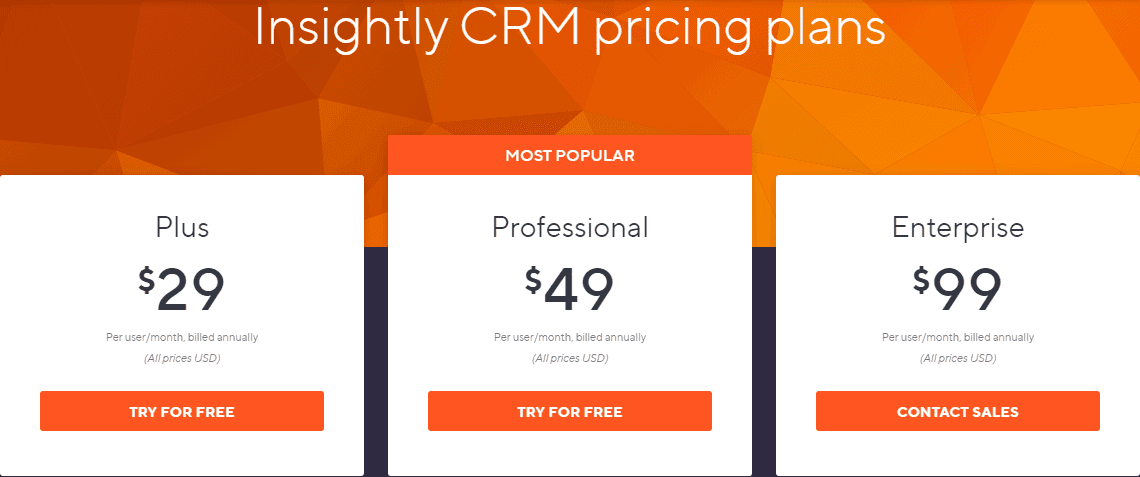
Insightly separates its CRM and marketing automation pricing plans, allowing businesses to purchase the services individually or bundle them together.
Insightly CRM Pricing
| Plan | Price (Per User / Month) |
|---|---|
| Plus | $29 |
| Professional | $49 |
| Enterprise | $99 |
Insightly Marketing Pricing
| Plan | Monthly Price |
|---|---|
| Plus | $299 |
| Professional | $599 |
| Enterprise | $1,299 |
Unlike the CRM plans, Insightly’s marketing automation plans are not charged per user.
Businesses can also bundle CRM and marketing services together for a customized price, depending on their needs.
Although Insightly can still be expensive for some businesses, its pricing structure and modular system can sometimes offer better value compared to ActiveCampaign’s contact-based pricing model.
In the next section, we’ll take a closer look at how ActiveCampaign compares to these alternatives and which platform offers the best value for startups and small businesses in 2026.
How ActiveCampaign Compares to These Alternatives in 2026
Choosing the right marketing automation platform is not just about features.
For startups and small businesses, the most important factors are usually pricing, ease of use, scalability, and the availability of built-in CRM and customer support tools.
ActiveCampaign remains one of the most powerful marketing automation platforms on the market.
However, when compared with alternatives like EngageBay, Drip, and Insightly, the value proposition can vary significantly depending on your business size, marketing needs, and budget.
Below is a closer look at how these platforms compare across several important criteria.
Pricing comparison
Pricing is often the biggest deciding factor for small businesses. ActiveCampaign uses a contact-based pricing model, which means the cost increases as your subscriber list grows.
EngageBay offers a more startup-friendly pricing structure with a permanent free plan and affordable paid tiers.
Drip also uses contact-based pricing but is primarily designed for ecommerce brands. Insightly uses a per-user pricing model for CRM features and a separate pricing structure for marketing automation.
| Platform | Entry Price | Pricing Model |
|---|---|---|
| ActiveCampaign | $15/month | Based on number of contacts |
| EngageBay | Free plan available | Tiered pricing with CRM included |
| Drip | $39/month | Contact-based pricing |
| Insightly | $29/user/month | Per-user pricing for CRM |
For businesses with growing email lists, contact-based pricing platforms like ActiveCampaign and Drip can become significantly more expensive over time.
Features comparison
Another key consideration is the overall feature set offered by each platform.
ActiveCampaign is known for advanced marketing automation and segmentation capabilities.
However, many of these advanced features are unlocked only in higher pricing tiers.
EngageBay provides an integrated platform that combines marketing automation, CRM, sales tools, and helpdesk functionality in a single system.
Drip focuses primarily on ecommerce marketing automation, while Insightly emphasizes CRM functionality with optional marketing tools.
| Platform | Marketing Automation | CRM | Helpdesk | Ecommerce Focus |
|---|---|---|---|---|
| ActiveCampaign | Yes | Yes (higher plans) | No | Moderate |
| EngageBay | Yes | Yes | Yes | Moderate |
| Drip | Yes | Limited | No | Strong |
| Insightly | Moderate | Yes | Limited | Moderate |
For businesses that want a single platform to manage marketing, sales, and customer support, an integrated solution like EngageBay may provide greater overall value.
Ease of use
Ease of use can significantly affect how quickly a team adopts a new marketing platform.
ActiveCampaign is known for powerful automation capabilities, but many users find the interface complex, particularly when creating advanced automation workflows.
Drip provides a simpler user experience but focuses mainly on ecommerce marketing.
Insightly offers strong CRM features but may require additional configuration for marketing automation.
EngageBay is designed specifically for startups and smaller teams, with a more straightforward interface and faster onboarding process.
Businesses that are new to marketing automation often prefer platforms that allow them to start quickly without a steep learning curve.
AI and automation capabilities
Artificial intelligence has become an important component of modern marketing platforms.
ActiveCampaign includes AI-powered capabilities through its Active Intelligence engine.
These tools provide campaign recommendations, predictive segmentation, and automation insights.
Some competing platforms also include AI-powered marketing tools, but the depth of automation and predictive analytics varies.
For businesses that rely heavily on automation and data-driven marketing strategies, platforms with stronger AI capabilities may offer additional value.
Scalability for growing businesses
Scalability is another key factor when choosing a marketing automation platform.
ActiveCampaign is designed to support complex marketing workflows and large databases, making it suitable for growing companies that rely on advanced segmentation and automation.
However, the cost of scaling can increase rapidly due to the contact-based pricing structure.
EngageBay offers a more predictable pricing model for startups, while Drip scales well for ecommerce businesses with growing customer databases.
Insightly is often used by businesses that prioritize CRM and sales pipeline management alongside marketing automation.
Which platform offers the best value in 2026
There is no single marketing automation platform that works best for every business.
The right choice depends on your company’s size, budget, and marketing strategy.
ActiveCampaign may be the best option for companies that need sophisticated marketing automation, predictive segmentation, and advanced campaign analytics.
Drip can be a strong option for ecommerce brands that rely on customer behavior data to personalize marketing campaigns.
Insightly may be better suited for organizations that prioritize CRM functionality and sales pipeline management.
For startups and small businesses that want an integrated solution combining marketing automation, CRM, and customer support tools at an affordable price, EngageBay often provides a strong value proposition.
Ultimately, the best platform is the one that aligns with your business goals, marketing complexity, and long-term growth plans.
Read also: The Top 8 EngageBay Alternatives of 2022 [Features, Pricing, Reviews]
Conclusion
ActiveCampaign remains one of the most well-known platforms in the marketing automation and email marketing software space. With powerful automation workflows, advanced segmentation, predictive marketing capabilities, and AI-driven campaign insights through its Active Intelligence engine, the platform offers a robust solution for businesses that want sophisticated customer journey automation.
However, when evaluating ActiveCampaign pricing in 2026, it becomes clear that the platform may not always be the most practical option for startups and small businesses.
Although the entry-level Starter plan begins at $15 per month, the platform uses a contact-based pricing model, meaning the monthly cost increases as your subscriber list grows.
In addition, many advanced features such as predictive content, attribution tracking, deeper segmentation, and premium integrations are available only in higher-tier plans like Pro and Enterprise.
For businesses that require advanced marketing automation at scale, ActiveCampaign can still be a powerful and valuable tool.
But for startups and small businesses that want simple marketing automation, built-in CRM functionality, and predictable pricing, the platform can become expensive relatively quickly.
This is where alternatives like EngageBay become particularly appealing.
EngageBay is designed specifically for startups, small businesses, and growing teams that want an affordable all-in-one platform combining CRM, marketing automation, sales automation, and customer support tools.
Unlike ActiveCampaign, EngageBay offers a permanent free plan that includes CRM and core marketing tools, allowing businesses to get started without committing to a paid subscription.
As businesses grow, EngageBay’s paid plans remain competitively priced while still offering a wide range of features, including email marketing automation, lead management, landing pages, helpdesk tools, and customer engagement features.
For companies that want a cost-effective marketing automation platform without the steep pricing increases associated with contact-based models, EngageBay can provide an attractive and scalable alternative.
Ultimately, the best marketing platform depends on your company’s goals, marketing complexity, and growth stage.
But if you’re looking for a feature-rich CRM and marketing automation solution that balances functionality with affordability, EngageBay is certainly worth considering.
Sign up now for free, or book a 30-minute demo with our experts 🙂
ActiveCampaign pricing starts at $15/month for the Starter plan when billed annually. Higher tiers include Plus ($49), Pro ($79), and Enterprise ($145), with prices increasing based on contact list size.
No. ActiveCampaign does not offer a permanent free plan. However, it provides a 14-day free trial that allows users to test the platform before choosing a paid plan.
The Starter plan includes email marketing, marketing automation, Active Intelligence AI features (limited), standard integrations, and up to 5 automation actions per workflow.
ActiveCampaign sits in the mid-to-premium range of email marketing tools. Its advanced automation, CRM integration, and AI features justify the cost for many growing businesses.
Yes. ActiveCampaign includes Active Intelligence, an AI system that helps build automations, generate campaign ideas, and optimize marketing performance using data insights.